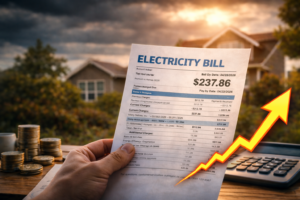
Electricity prices by state in the United States are no longer a background expense quietly bundled into monthly utility bills. In 2026, they have become a central cost-of-living factor, influencing where people live, how much they save, and even how businesses decide where to operate.
While national averages often dominate headlines, the reality is far more complex. Electricity prices vary dramatically by state — and those differences are widening. In some parts of the country, households still enjoy relatively affordable power. In others, electricity has become one of the fastest-growing household expenses, rivaling food, transportation, and healthcare.
Understanding why electricity prices differ so sharply by state — and how those differences affect everyday life — is essential for consumers, businesses, and policymakers navigating the US economy in 2026 and beyond.
US Electricity Prices by State: A Divided Market
The United States operates one of the most complex and decentralized electricity systems in the world. Unlike gasoline or groceries, electricity prices are shaped primarily at the state and regional level, not nationally.
Residential electricity prices currently range from:
- Low-teens cents per kilowatt-hour (kWh) in some states
- To well over 35¢/kWh in others
This gap is not new — but it is growing as infrastructure costs, demand patterns, and policy choices diverge.
States With the Highest Electricity Prices
Several states consistently rank among the most expensive electricity markets in the country.
Hawaii
Hawaii remains the most expensive electricity market in the US. Its isolated island grids, limited interconnection, and historical reliance on imported fuels make prices especially sensitive to global energy markets.
Although renewable adoption is increasing, legacy infrastructure costs continue to weigh heavily on household bills.
California
California’s electricity prices reflect a convergence of pressures:
- Wildfire mitigation and grid hardening costs
- Aggressive renewable energy mandates
- Rising peak demand during heat waves
- Complex regulatory and market structures
In California, electricity is no longer a seasonal concern — it is a year-round affordability issue.
The Northeast (Massachusetts, Connecticut, New York)
In the Northeast, electricity prices remain elevated due to:
- Aging infrastructure
- Limited local generation capacity
- High transmission and regulatory costs
Households in these states consistently pay among the highest electricity rates in the nation, with little short-term relief in sight.
States With Historically Lower Electricity Prices
At the other end of the spectrum are states that have traditionally benefited from:
- Abundant local energy resources
- Lower infrastructure costs
- Favorable geographic conditions
These include:
- Texas
- Louisiana
- Kentucky
- Tennessee
- North Dakota
However, even in these lower-cost markets, the picture is changing.
Rapid population growth, expanding AI infrastructure, and extreme weather are beginning to push electricity prices upward faster than many residents expect.
Why Electricity Prices Are Rising Across the US
Electricity price increases in 2026 are not driven by a single factor. Instead, they reflect a structural shift in how electricity is produced, delivered, and consumed.
1. Record-Breaking Demand From AI and Data Centers
One of the fastest-growing drivers of electricity demand is the expansion of AI computing and data centers.
Large-scale data centers consume enormous amounts of electricity — often comparable to tens of thousands of homes. States such as Texas, Virginia, Georgia, and Arizona have become hotspots for these facilities.
To meet this demand, utilities must:
- Expand transmission capacity
- Build new substations
- Upgrade generation resources
These infrastructure costs are frequently spread across all ratepayers — meaning households may pay higher bills even if they never directly benefit from new data center investment.
2. Grid Modernization and Reliability Investments
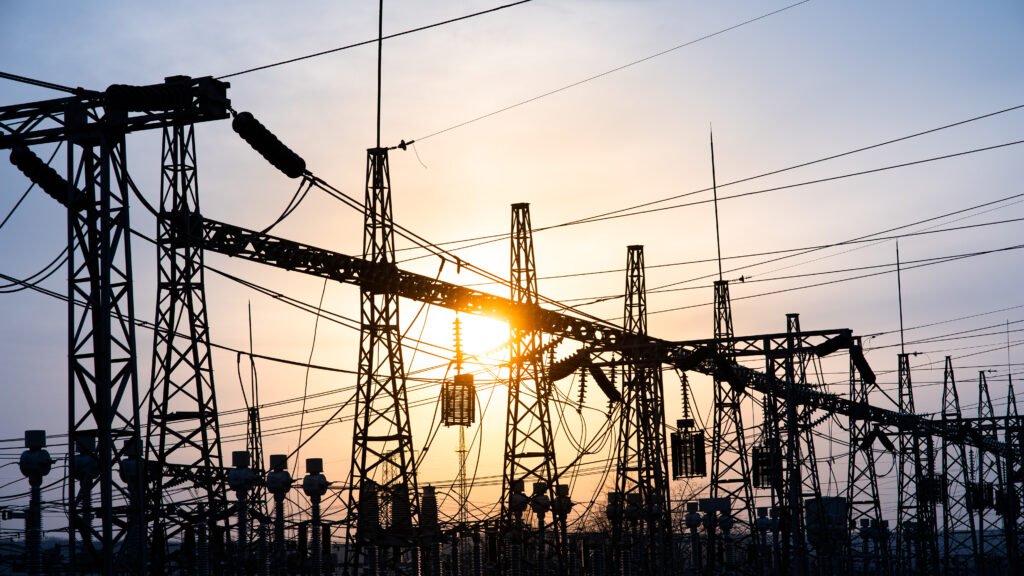
Much of the US power grid was built decades ago. In 2026, utilities are investing heavily to:
- Reduce blackout risk
- Harden systems against extreme heat, cold, and storms
- Replace aging transmission and distribution infrastructure
These investments are essential for reliability, but they come with multi-billion-dollar price tags that are ultimately recovered through customer rates.
3. Natural Gas Market Pressures
Natural gas remains the dominant fuel for US electricity generation. While prices have fluctuated in recent years, growing exports and global demand have added volatility.
When natural gas prices rise:
- Power plant operating costs increase
- Wholesale electricity prices follow
- Retail rates eventually adjust upward
Regions heavily reliant on gas-fired generation are particularly exposed to this dynamic.
4. State Energy Policies and Regulation
Electricity pricing is also shaped by state-level policy choices.
Renewable energy mandates, emissions standards, and long-term decarbonization goals can:
- Increase near-term costs
- Require major infrastructure investment
- Shift how utilities recover expenses
While these policies aim to improve sustainability and resilience, they often translate into higher short-term electricity prices for consumers.
Electricity Prices and the Cost of Living: The Hidden Multiplier
Electricity prices don’t exist in isolation. They affect nearly every aspect of daily life — directly and indirectly.
Household Budgets Under Pressure
Higher electricity prices reduce disposable income, particularly for:
- Low- and middle-income households
- Renters with limited control over efficiency upgrades
- Seniors on fixed incomes
In high-cost states, households may pay hundreds of dollars more per year compared to the national average — simply to maintain basic comfort and safety.

Housing, Rent, and Migration Trends
Electricity costs increasingly influence:
- Rental pricing and housing affordability
- Household relocation decisions
- Long-term population trends
States with lower electricity prices are becoming more attractive to remote workers and retirees, while high-cost states face growing affordability pressures.
Business Costs and Regional Competitiveness
Electricity prices also shape:
- Small business operating margins
- Manufacturing competitiveness
- Job creation and retention
Regions with persistently high electricity costs may struggle to attract energy-intensive industries, while lower-cost states gain a structural economic advantage.
Regional Electricity Trends to Watch in 2026
The South and Texas
Historically low-cost markets are experiencing rapid demand growth. AI infrastructure, population expansion, and extreme heat are pushing prices higher at an accelerating pace.
The Northeast
Electricity prices remain among the highest in the nation, driven by infrastructure constraints and regulatory complexity. Significant price relief appears unlikely without major system reforms.
The West Coast
Wildfire mitigation, renewable integration, and grid resilience investments continue to influence pricing. California remains a national outlier for electricity costs.
The Midwest
Generally more stable, but vulnerable to fuel price swings and severe weather events that can cause short-term price spikes.
What Consumers Can Do to Manage Rising Electricity Costs
While consumers cannot control energy markets, they can reduce exposure by:
- Monitoring utility rate filings
- Improving home energy efficiency
- Shifting usage to off-peak hours
- Exploring community solar programs
- Staying informed on state energy policy changes
Small changes can meaningfully reduce long-term financial impact.
My conclusion: transparency is the first step toward a fairer system
In 2026, electricity prices and cost of living are converging into one of the clearest economic divides in the country. Regional price differences are no longer small enough to ignore, and the drivers behind those differences—grid modernization, AI load growth, fuel volatility, and policy transitions—are not going away.
The solution is not a single policy lever. But one principle matters immediately: transparency. People can tolerate change when they understand it and trust it. They lose patience when price increases feel opaque or unfair.
At US Energy Watch, we believe transparency in pricing and cost allocation is the first step toward a more stable and equitable energy system—one that can modernize at the pace reality demands without breaking the affordability contract for the households and small businesses that ultimately fund it.
Sources
This article references publicly available data and analysis from the U.S. Energy Information Administration (EIA), along with state-level utility filings and regional electricity market assessments.
Related Reading
- Corporate Energy Strategy: How US Companies Manage Rising Energy Costs
- Aging US Power Grid: The Infrastructure Behind Your Electricity Bill