
How energy deals are reshaping the US power grid is one of the defining infrastructure stories of 2026. Electricity is no longer a quiet operational expense for the biggest technology companies—it has become a strategic constraint that shapes where they build, how fast they scale AI, and which U.S. regions can compete for investment.
As AI, cloud computing, and hyperscale data centers expand at unprecedented speed, companies like Microsoft, Google, Amazon, and Meta are consuming electricity at levels once associated with heavy industry. Their response has been direct and pragmatic: secure long-term supply, sign large power purchase agreements (PPAs), push for faster interconnection, and increasingly influence where new generation and grid infrastructure gets built.
What began as a sustainability narrative has matured into a business survival strategy. And the consequences extend far beyond the tech sector. In many regions, corporate demand is now among the strongest forces shaping utility planning, transmission priorities, and even the political debate over residential electricity rates.
Why electricity became a strategic asset for Big Tech
The explosive growth of AI workloads changed how technology companies think about energy. It’s not just “more power.” It’s the need for massive, continuous, highly reliable power—because AI training and inference don’t behave like normal commercial loads.
Modern AI infrastructure requires:
- Large, steady electricity volumes (24/7)
- Extremely high reliability (downtime is unacceptable)
- Predictable long-term pricing
- Geographic alignment between data center hubs and deliverable grid capacity
- Redundancy and flexibility for cooling, heat events, and peak stress
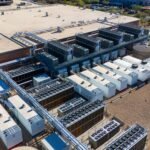
A single AI-focused data center campus can draw power comparable to a mid-sized U.S. city. Multiply that across dozens of facilities and Big Tech becomes more than a customer—it becomes a load driver that influences system design choices.
This is why, in 2026, power availability increasingly determines:
- where new data centers are permitted and financed
- how quickly AI capacity can scale
- which states attract investment and jobs
- how utilities prioritize substation, transmission, and distribution upgrades
In short: electricity is now a growth bottleneck.
PPAs: the backbone of corporate energy strategy
To manage both price risk and supply risk, Big Tech has turned aggressively to Power Purchase Agreements (PPAs)—long-term contracts (often 10–20 years) that procure electricity from specific generation assets.
PPAs help corporations:
- lock in more stable long-term pricing
- reduce exposure to wholesale volatility
- enable financing for new projects (by giving revenue certainty)
- support clean-energy and decarbonization claims (depending on structure)
- reduce dependence on spot markets
But the bigger shift is influence. In many markets, corporate PPAs can determine where new wind, solar, battery, and grid-supporting projects get built. Utilities are no longer the only planners of the future resource mix. Corporate demand is shaping the system alongside them.
This is a major reason how energy deals are reshaping the US power grid is no longer a niche energy topic—it’s an economic one.
Different strategies, similar grid impact
While the outcomes look similar—more pressure on infrastructure—each major company approaches energy through a different lens.
Microsoft: reliability first
As AI expands, Microsoft’s posture has become more reliability-centered: firm supply, long-term procurement, and deeper coordination with utilities and operators. Renewables matter, but reliability is non-negotiable when AI capacity is on the line.
Google: the 24/7 carbon-free ambition
Google’s “24/7 carbon-free” approach pushes the system toward more granular matching of clean supply with hourly consumption. That can drive innovation, but it also increases complexity—especially in constrained regions where transmission limitations keep clean generation from reaching load centers at the right time.
Amazon: scale and speed
Amazon’s footprint (AWS plus logistics) creates enormous, geographically dispersed demand. In some regions, Amazon-scale load growth can materially change utility forecasts, accelerating grid expansion needs and raising the stakes in regulatory cost discussions.
Meta: concentrated load effects
Meta’s campus-driven growth can concentrate demand in specific pockets. That concentration is what stresses substations, distribution feeders, and regional transfer capability—often faster than traditional planning cycles can handle.
Where the grid feels the strain first
Big Tech demand isn’t evenly distributed. It clusters where land, fiber, development timelines, and power access align.
The pressure zones most often include:
- Northern Virginia (the largest data center hub)
- Texas (fast development and a large independent grid)
- Arizona and the Southwest (land availability, heat and water constraints)
- Midwest markets (often lower costs, but transmission-dependent)
These regions tend to experience:
- faster localized grid saturation
- longer interconnection queues
- transmission bottlenecks and substation constraints
- higher risk of localized reliability problems
- more intense debate over who funds upgrades
Utilities plan in multi-year cycles. Data center demand can scale in months. That mismatch defines the tension of 2026.
Who pays for grid upgrades?
This is where the business story collides with public concern.
Even when Big Tech helps finance generation through PPAs, the costs of:
- transmission expansions
- substation upgrades
- distribution reinforcement
- grid hardening and automation
often flow into rate structures that are shared across customers.
That can mean households and small businesses pay more—even if they don’t directly benefit from new capacity serving hyperscale load. Regulators are increasingly asking:
- Should large-load customers face higher interconnection and access charges?
- Do current rate structures fairly reflect who is driving upgrades?
- Are cost allocation rules keeping up with reality?
These questions are now central in utility commission proceedings across multiple states, because the financial stakes are no longer small.
Utilities caught in the middle
For utilities, Big Tech demand is both opportunity and risk.
Opportunity:
- large customers provide long-term revenue stability
- PPAs and contracted load can justify major investments
- economic development often follows data center construction
Risk:
- one new campus can radically change load forecasts
- overbuilding creates stranded-asset risk
- reliability expectations become “mission critical”
- public and regulatory scrutiny intensifies when costs rise
Utilities must balance corporate growth with public obligations. That balancing act will shape U.S. grid planning for the next decade.
The quiet return of firm power
One of the biggest shifts in 2026 is renewed corporate interest in firm, always-available power. As AI loads scale, intermittent generation alone often can’t meet the reliability profile data centers require without massive storage and grid upgrades.
This has reopened serious conversations about:
- nuclear energy
- small modular reactors (SMRs)
- hybrid systems combining renewables, storage, and firm resources
- long-duration storage options
It’s early, and timelines are complex. But corporate demand can accelerate pathways that previously moved slowly—especially in markets where reliability concerns are rising.
What this means for the US power system
The energy strategies of major tech companies are accelerating structural shifts:
- demand growth becomes more concentrated
- grid planning timelines compress
- corporate buyers influence the generation mix
- transmission becomes the dominant bottleneck
- reliability regains priority in investment decisions
AI is forcing grid evolution on a timeline the system was never designed to follow.
Bottom line
How energy deals are reshaping the US power grid is not a future-tense narrative anymore. It’s happening now—inside utility plans, regulatory dockets, and infrastructure budgets. It is redefining who drives investment, who pays for upgrades, and what reliability must look like in an AI-driven economy.
In 2026, electricity is no longer just an input to innovation. It is one of the constraints that determines the speed of innovation.
How US Power Grid Deals Are Reshaping America’s Energy Future
The US power grid is undergoing its most significant transformation in decades, driven by a wave of mergers, utility investments, and public-private partnerships. These deals are reshaping how America generates, transmits, and distributes electricity in 2026.
Related Reading
- Aging US Power Grid: Why Infrastructure Investment Is Critical in 2026
- Transmission Permitting in the US: The Regulatory Bottleneck Explained