Introduction
US Iran conflict economic impact is no longer a theoretical discussion in 2026. As tensions escalate in the Middle East, American households, businesses, and investors are beginning to feel the effects far beyond the battlefield. What was once seen as a distant geopolitical issue is now influencing inflation, supply chains, insurance markets, and federal spending across the United States.
For investors and policymakers alike, the key question is no longer whether the conflict matters — but how deeply it will reshape economic conditions at home.
In this US Energy Watch analysis, we examine how rising tensions with Iran are translating into real economic costs for the US economy, from oil markets and logistics to fiscal policy and long-term financial stability.
Military Spending and the Expanding Federal Deficit
One of the most immediate effects of geopolitical conflict is increased government spending.
Military operations require:
- Deployment of troops and equipment
- Logistics and supply chain support
- Intelligence and cybersecurity infrastructure
- Ongoing operational funding
In 2026, these expenditures come at a time when the United States is already operating under a historically high federal deficit.
The economic consequence is twofold:
- Increased Government Borrowing
The US Treasury must issue additional debt to finance military operations. - Crowding Out Private Investment
As government borrowing increases, capital that might otherwise flow into private investment — including energy, infrastructure, and technology — may instead be absorbed by government bonds.
From a macroeconomic perspective, this dynamic can slow long-term economic growth while increasing pressure on interest rates.
Oil Markets and Energy Price Volatility
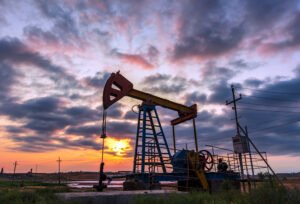
The most immediate and visible channel of the US Iran conflict economic impact is the global oil market.
Iran sits near the Strait of Hormuz — one of the most critical chokepoints in global energy supply. A significant portion of the world’s oil passes through this narrow corridor.
Even the threat of disruption can:
- Push oil prices higher
- Increase volatility in energy markets
- Affect gasoline prices across the United States
Higher energy prices act as a tax on consumers, increasing transportation costs, raising business expenses, and contributing to inflation.
For US households, this translates directly into:
- Higher fuel costs
- Increased electricity prices (in some regions)
- More expensive goods and services
Supply Chains Under Pressure
Beyond energy, the conflict has a direct impact on global supply chains.
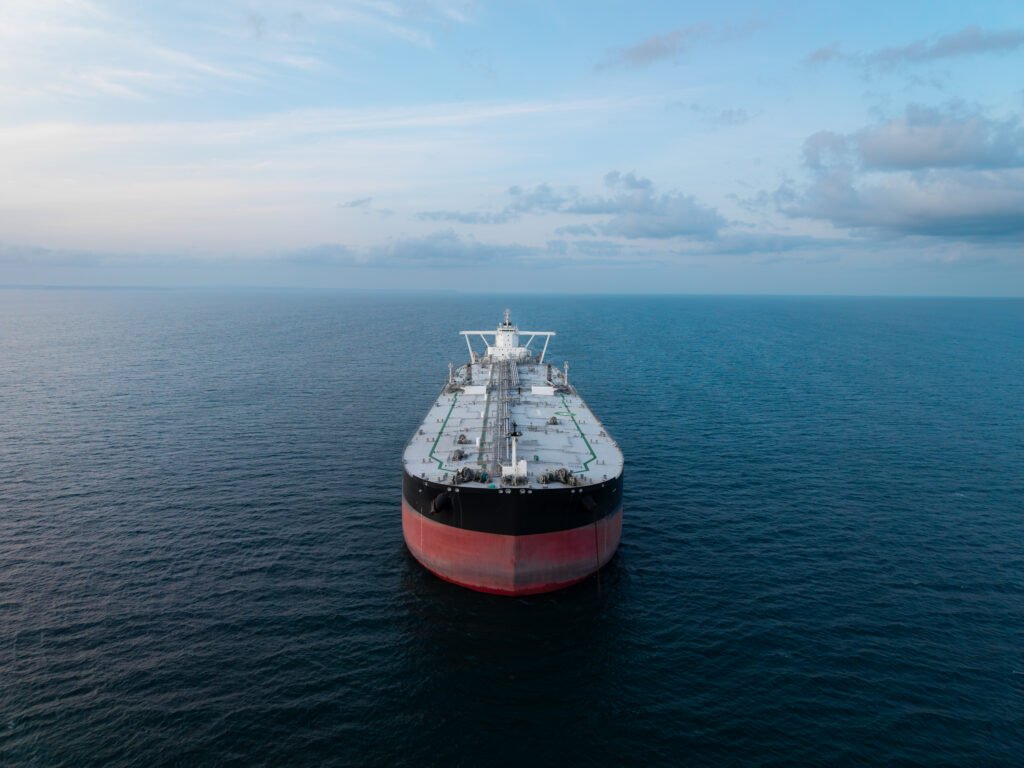
The Strait of Hormuz is not only vital for oil but also for global shipping routes. Increased geopolitical risk in the region leads to:
- Higher shipping insurance costs (war risk insurance)
- Rerouting of cargo vessels
- Delays in global trade flows
- Increased freight rates
Even goods unrelated to energy — including electronics, textiles, and consumer products — become more expensive due to rising logistics costs.
For businesses, this means:
- Higher input costs
- Supply chain uncertainty
- Pressure on profit margins
For consumers, it contributes to broader inflation across multiple sectors.
Insurance Costs and Financial Risk
One of the less visible but highly significant impacts of geopolitical conflict is the rise in insurance costs.
Shipping companies and logistics providers must purchase war risk insurance when operating in high-risk regions. As tensions escalate, premiums increase sharply.
This affects:
- Oil shipments
- Commercial goods
- Industrial supply chains
These additional costs are ultimately passed through the supply chain — reaching manufacturers, retailers, and finally consumers.
Financial markets also react to increased geopolitical risk with:
- Higher volatility
- Risk premium adjustments
- Shifts toward safer assets
This creates a more uncertain investment environment.
Inflationary Pressure Across the Economy
The combined effects of higher energy prices, increased logistics costs, and rising government spending contribute to inflation.
Inflation driven by geopolitical conflict is particularly challenging because it is supply-side inflation — meaning it is not easily controlled by traditional monetary policy tools.
The result is:
- Reduced purchasing power
- Higher cost of living
- Increased pressure on wages
- Tighter financial conditions
For policymakers, this creates a difficult balancing act between controlling inflation and maintaining economic growth.
The Dollar and Long-Term Fiscal Stability
Another important dimension of the US Iran conflict economic impact is its effect on long-term fiscal stability.
As military spending increases and deficits expand, concerns may arise regarding:
- The sustainability of US debt levels
- Long-term interest rate trends
- Investor confidence in US financial assets
While the US dollar remains the world’s primary reserve currency, prolonged fiscal pressure can introduce volatility and uncertainty into global financial markets.
Nikolay Seizov’s Perspective: The Hidden Cost of Conflict
From an analytical standpoint, the most important insight is that modern conflicts are not paid for only on the battlefield.
As I observe developments in 2026, it is clear that the economic burden of geopolitical tensions is increasingly distributed across the entire economy.
The cost of conflict appears in:
- Inflation
- Energy prices
- Investment slowdowns
- Supply chain disruptions
In other words, every American household becomes an indirect participant in the financial consequences of global conflict.
The real danger is not just the immediate cost — but the cumulative effect of sustained uncertainty on economic stability and long-term growth.
The Bottom Line
The US Iran conflict economic impact extends far beyond military strategy. It affects nearly every aspect of the American economy, from energy prices and supply chains to government spending and financial markets.
In 2026, geopolitical risk is no longer a distant concern. It is a core economic variable.
For investors, businesses, and policymakers, understanding these dynamics is essential. The ability to anticipate and adapt to geopolitical shocks will define resilience in an increasingly uncertain global environment.
At US Energy Watch, we continue to track how energy markets, geopolitical tensions, and economic forces intersect — because in today’s world, energy and security are inseparable.
Source
Source: Analysis based on data from the U.S. Energy Information Administration (EIA), global shipping risk assessments, and macroeconomic policy trends.