Introduction
AI data center electricity demand is redefining the future of the US energy system in 2026. What began as a technological revolution is now becoming an energy challenge of unprecedented scale. Artificial intelligence is not just transforming industries — it is fundamentally altering how electricity is consumed, planned, and delivered across the United States.
By early 2026, the rapid expansion of AI workloads has forced energy analysts, utilities, and regulators to revise electricity demand forecasts upward — often dramatically. Data centers are no longer just large consumers of electricity. They have become critical nodes in the national energy architecture, requiring constant, high-reliability power 24/7.
This shift is creating new opportunities, but also exposing significant vulnerabilities in the US power grid.
Explosive Growth: A New Demand Curve
The scale of AI-driven electricity demand growth cannot be overstated.
Traditional data centers already consumed significant amounts of energy, but AI-focused facilities require far more:
- Higher processing density
- Continuous operation
- Advanced cooling systems
- Massive computational workloads
As a result, electricity demand from data centers is rising at a pace that far exceeds historical trends.
According to industry projections and energy models aligned with U.S. Energy Information Administration (EIA) data, data center electricity consumption is now one of the fastest-growing segments of US power demand.
In practical terms:
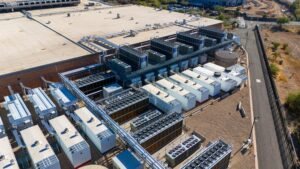
- A single hyperscale AI data center can consume as much electricity as a small city
- Clusters of data centers are reshaping regional load profiles
- Utilities are revising long-term forecasts to account for AI-driven growth
This is not incremental growth — it is structural acceleration.
Data Centers as Energy Infrastructure
One of the most important conceptual shifts in 2026 is how data centers are viewed.
They are no longer simply:
- Technology infrastructure
- Cloud computing facilities
They are now:
- Energy infrastructure nodes
- High-priority grid loads
- Strategic economic assets
Their electricity needs are:
- Constant (24/7 operation)
- Non-interruptible (downtime is unacceptable)
- Scalable (demand grows rapidly)
This changes how utilities and regulators approach planning.
Electricity supply must now be:
- Always available
- Predictable
- Physically close to demand centers
Big Tech Becomes an Energy Investor
As AI data center electricity demand grows, technology companies are no longer passive energy consumers.
Companies like:
- Microsoft
- Amazon
are aggressively securing energy supply through Power Purchase Agreements (PPAs) and direct investments.
However, the strategy has evolved.
From Annual Clean Energy to 24/7 Matching
Previously, companies focused on matching energy consumption with renewable energy on an annual basis.
In 2026, the goal has shifted to:
“24/7 carbon-free energy”
This means:
- Matching energy consumption in real time
- Ensuring reliability at every hour
- Reducing dependence on fossil backup
To achieve this, companies are investing in:
- Nuclear energy (including SMRs)
- Geothermal projects
- Advanced battery storage
- Hybrid energy systems
This marks a significant evolution in corporate energy strategy.
Local Grid Pressure: The Hidden Bottleneck
While national demand trends are important, the real pressure is being felt at the local level.
Regions such as:
- Northern Virginia (largest data center hub in the world)
- Ohio
- Texas
- Arizona
are experiencing intense infrastructure strain.
What’s Happening on the Ground
Utilities in these regions are facing:
- Overloaded substations
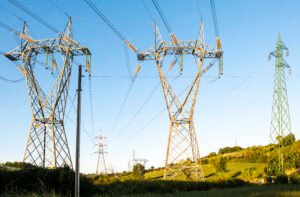
- Transmission congestion
- Interconnection delays
- Rapidly rising peak demand
In some cases:
- New data center projects are delayed due to lack of grid capacity
- Infrastructure upgrades cannot keep pace with demand growth
- Electricity prices are being affected locally
This is where the AI boom collides with physical reality.
The Rise of Microgrids and Self-Powered Data Centers
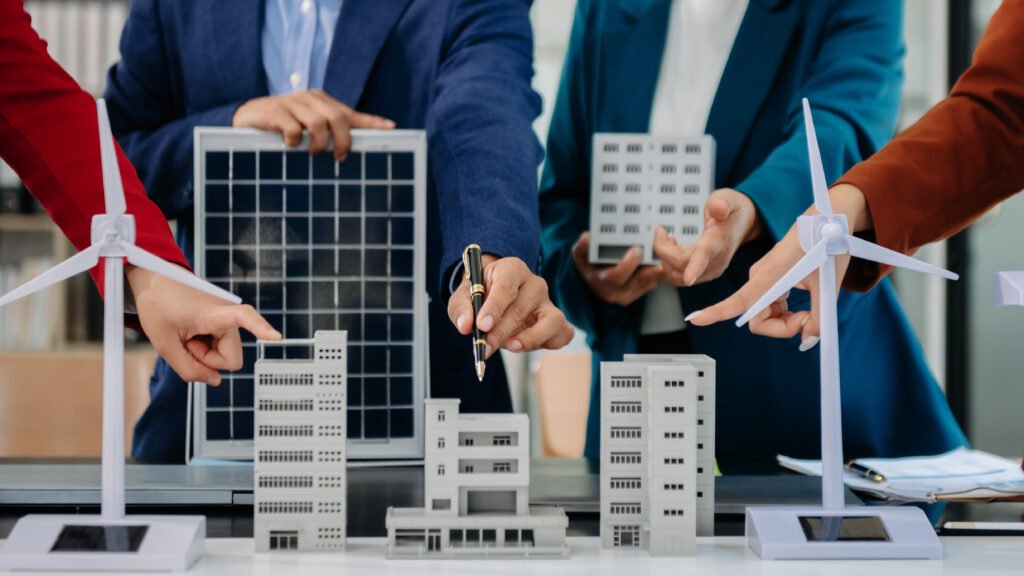
In response to grid constraints, a new trend is emerging in 2026:
Data centers are building their own energy systems.
This includes:
- On-site generation
- Microgrids
- Large-scale battery storage
- Hybrid energy solutions
The goal is simple:
Reduce dependence on the public grid.
This approach provides:
- Greater reliability
- Faster deployment timelines
- More control over energy costs
It also aligns with the broader trend of:
“Bring Your Own Power”
Why Reliability Is the Top Priority
Unlike other electricity consumers, data centers cannot tolerate outages.
Even short disruptions can result in:
- Financial losses
- Data integrity risks
- Service interruptions
- Reputational damage
This makes reliability the single most important factor in energy strategy.
As a result:
- Backup systems are mandatory
- Redundancy is built into every level
- Power supply is treated as mission-critical infrastructure
In many ways, data centers now have stricter reliability requirements than traditional industrial users.
Implications for the US Power Grid
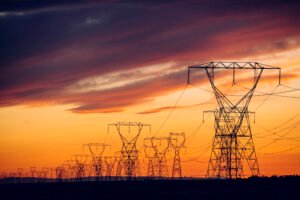
The rapid growth of AI data center electricity demand is reshaping the entire grid.
Key Impacts:
1. Accelerated Infrastructure Investment
Utilities must expand transmission, substations, and generation capacity faster than ever before.
2. New Load Concentration Risks
Demand is becoming highly concentrated in specific regions, increasing vulnerability.
3. Rising Electricity Prices
Infrastructure costs are often shared, affecting residential and commercial ratepayers.
4. Changing Energy Mix
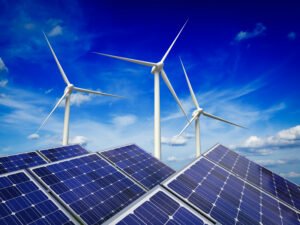
Firm power sources (nuclear, gas, storage) are gaining importance alongside renewables.
The Policy and Regulatory Response
Regulators are increasingly aware of the risks associated with unchecked data center growth.
Key policy discussions in 2026 include:
- Should data centers pay more for grid access?
- How should infrastructure costs be allocated?
- Can permitting processes be accelerated?
- Should self-generation be required for new projects?
Regulatory frameworks are evolving, but they are struggling to keep pace with demand growth.
Nikolay Seizov’s Perspective: The Grid Is the New Bottleneck
From an analytical standpoint, the most important insight in 2026 is clear:
The constraint is no longer computing power — it is electricity.
AI can scale rapidly.
The grid cannot.
As I observe developments across US energy markets, one conclusion stands out:
The next phase of technological growth will be determined not by innovation alone, but by energy availability.
Regions that can provide:
- Reliable power
- Scalable infrastructure
- Fast permitting
will attract investment.
Those that cannot will fall behind.
In this sense, electricity is becoming a competitive advantage.
Long-Term Outlook: A New Energy Paradigm
Looking ahead, the relationship between AI and energy will continue to deepen.
We can expect:
- Continued growth in data center demand
- Increased investment in firm, reliable power
- Expansion of microgrids and decentralized systems
- Greater integration between tech and energy sectors
The line between energy companies and technology companies is beginning to blur.
The Bottom Line
AI data center electricity demand is one of the most important forces shaping the US energy system in 2026. What began as a technology trend has evolved into a structural shift in electricity demand, infrastructure planning, and energy investment.
Data centers are no longer just consumers — they are becoming active participants in the energy ecosystem.
For utilities, regulators, and investors, the message is clear:
The future of AI depends on the future of energy.
At US Energy Watch, we continue to track how AI, electricity demand, and grid infrastructure intersect — because this is where the next phase of economic transformation is unfolding.
Source
Source: Analysis based on data from the U.S. Energy Information Administration (EIA), National Renewable Energy Laboratory (NREL), and US grid demand projections.