Introduction
Bring your own power data centers are rapidly becoming the new standard for large-scale technology infrastructure in the United States in 2026. As political pressure intensifies and grid constraints become more visible, regulators and the public are pushing back against a model where everyday electricity consumers effectively subsidize the expansion of energy-intensive data centers.
The result is a fundamental shift in how new data center projects are approved and built.
Instead of relying on existing grid capacity, technology companies are now increasingly required to develop their own dedicated energy sources — or risk losing access to new project approvals altogether.
This transformation is not just about fairness. It is reshaping the relationship between Big Tech, utilities, and the US power grid.
The End of “Free” Grid Access
For years, data centers benefited from access to grid infrastructure that was originally designed for residential and commercial demand.
As demand surged — particularly with the rise of AI — utilities were forced to:
- Expand transmission capacity
- Upgrade substations
- Invest in grid reinforcement
- Accelerate infrastructure spending
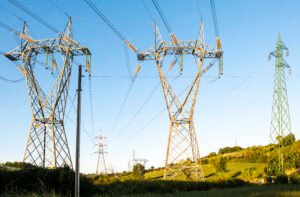
In many cases, these costs were distributed across all ratepayers.
This created a growing concern among regulators and consumers:
Why should households pay higher electricity bills to support the expansion of AI infrastructure?
In 2026, this question has become central to energy policy debates.
What “Bring Your Own Power” Really Means
The concept of bring your own power data centers is straightforward in principle but transformative in practice.
Under this model, new data center projects must:
- Develop dedicated generation capacity
- Secure long-term energy supply independently
- Invest in on-site or near-site energy infrastructure
- Incorporate large-scale energy storage systems
In some cases, this includes:
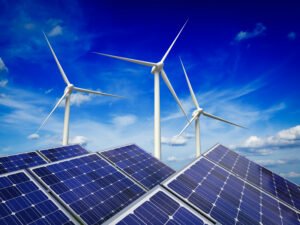
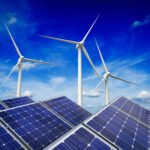
- Solar and wind generation paired with storage
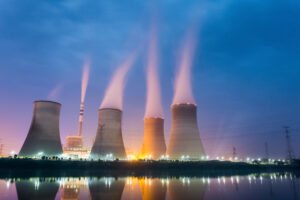
- Natural gas or hybrid generation systems
- Geothermal energy projects
- Advanced battery solutions
The goal is to ensure that data centers do not rely entirely on public grid expansion funded by ratepayers.
Why Regulators Are Taking Action
Several structural pressures are driving this shift:
Explosive Electricity Demand
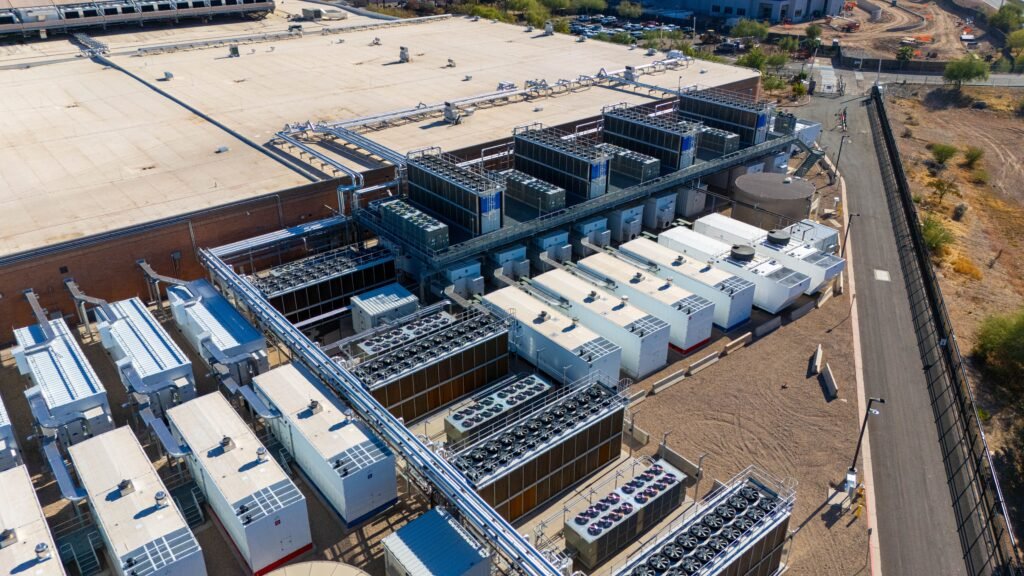
AI data centers consume enormous amounts of electricity. A single hyperscale facility can require as much power as a small city.
This demand is growing faster than grid infrastructure can expand.
Grid Constraints and Delays
Transmission bottlenecks and long permitting timelines are limiting how quickly new capacity can be added.
Without intervention, data center growth risks overwhelming local grid systems.
Rising Electricity Prices
As utilities invest billions in infrastructure upgrades, costs are often passed on to consumers.
Regulators are increasingly concerned about protecting households from:
- Rate increases
- Infrastructure cost pass-through
- Long-term affordability challenges
Big Tech Becomes an Energy Developer
One of the most important consequences of this shift is the transformation of technology companies into energy players.
Companies like:
- Amazon
- Microsoft
- Meta
are now actively investing in:
- Renewable energy generation
- Advanced battery storage
- Grid-scale infrastructure
- Emerging technologies such as geothermal and nuclear
This marks a fundamental shift.
Big Tech is no longer just buying electricity — it is helping build the energy system itself.
Innovation Driven by Constraint
While regulatory pressure may appear restrictive, it is also accelerating innovation.
The bring your own power data centers model is pushing companies to develop:
- Long-duration energy storage solutions
- Hybrid energy systems combining multiple sources
- AI-driven energy optimization tools
- Next-generation grid integration technologies
Some of these innovations are expected to:
- Improve overall grid efficiency
- Reduce long-term energy costs
- Become commercially available beyond the tech sector
In this sense, constraint is acting as a catalyst for technological progress.
Implications for the Power Grid
The rise of self-powered data centers is reshaping the broader energy system.
Key impacts include:
Reduced Pressure on Public Infrastructure
By generating their own power, data centers reduce demand on existing grid capacity.
More Distributed Energy Systems
Energy generation becomes more localized and decentralized.
New Grid Dynamics
Utilities must adapt to a system where large consumers are also producers.
The Cost Allocation Debate
At the heart of this transformation is a fundamental question:
Who should pay for the future of the grid?
The traditional model spreads infrastructure costs across all users.
The new model shifts more responsibility onto large energy consumers.
This debate is likely to shape energy policy for years to come.
Nikolay Seizov’s Perspective: A Necessary Market Correction
From an analytical standpoint, the rise of bring your own power data centers represents a necessary correction in the energy market.
For years, the cost structure of grid expansion did not fully reflect the realities of demand growth.
Large-scale industrial users — particularly data centers — were able to expand rapidly while infrastructure costs were distributed broadly.
In 2026, that model is no longer sustainable.
As I observe current developments, one conclusion becomes clear:
Energy is no longer just an input for Big Tech — it is a responsibility.
The shift toward self-supplied power is not just about fairness. It is about aligning incentives with reality.
Companies that consume the most energy must now play a direct role in producing it.
Long-Term Outlook: A New Energy Paradigm
Looking ahead, the bring your own power data centers model could become standard practice.
This would lead to:
- More resilient energy systems
- Reduced strain on public infrastructure
- Faster deployment of new energy technologies
- Greater alignment between consumption and production
However, it also raises new questions:
- Will smaller companies be able to compete?
- How will utilities adapt their business models?
- What role will regulation play in balancing interests?
These questions will define the next phase of the US energy transition.
The Bottom Line
Bring your own power data centers are redefining how energy is consumed and produced in the United States. As AI demand accelerates and grid constraints intensify, the traditional model of relying on public infrastructure is being replaced by a more self-sufficient approach.
In 2026, the relationship between Big Tech and the energy system is undergoing a fundamental shift — one that will shape electricity markets, infrastructure investment, and innovation for years to come.
At US Energy Watch, we continue to analyze how technology, policy, and energy intersect — because the future of AI depends on how the power behind it is built.
Source
Source: Analysis based on data from the U.S. Energy Information Administration (EIA), Federal Energy Regulatory Commission (FERC), and US grid infrastructure developments.