Vehicle-to-Grid (V2G) technology is transforming electric vehicles from simple transportation tools into mobile energy assets in 2026. Across the United States, EV owners are discovering that their cars are no longer just vehicles — they are backup batteries, grid stabilizers, and even income-generating assets.
What began as a pilot program in select markets has now entered broader commercial deployment. With the rapid expansion of bidirectional chargers and smart grid integration, V2G technology is reshaping the relationship between households, utilities, and electricity markets.
In a year defined by rising electricity prices and growing grid stress, V2G has moved from experimental innovation to strategic energy solution.
What Is Vehicle-to-Grid (V2G) Technology?
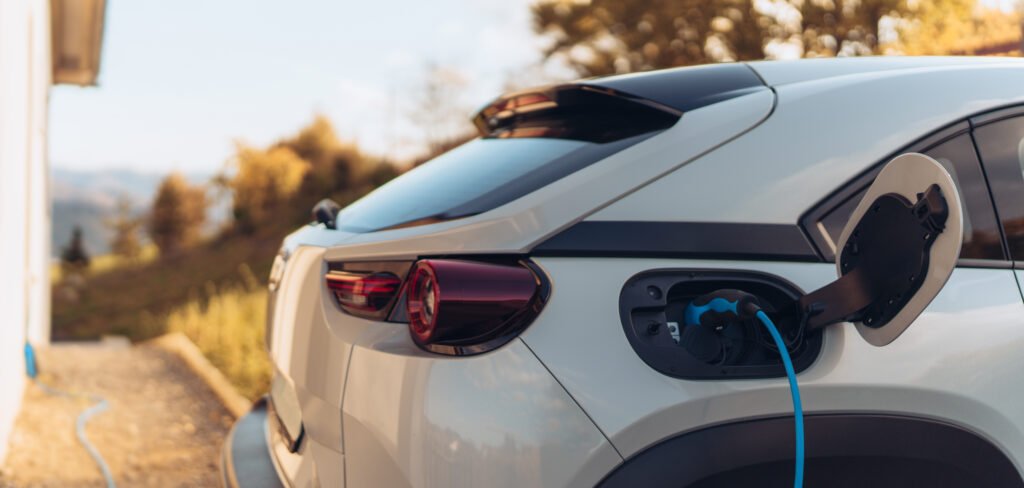
Vehicle-to-Grid (V2G) technology allows electric vehicles to both draw electricity from the grid and send electricity back to it. Unlike traditional one-way charging systems, V2G relies on:
- Bidirectional chargers
- Smart energy management software
- Utility coordination programs
- Time-of-use pricing structures
This means that during off-peak hours, EV owners can charge their vehicles at lower rates. During peak demand periods — when electricity prices are highest — they can discharge stored energy back to their home or directly into the grid.
In simple terms: your car becomes a battery that works for you.
When Your EV Powers Your Home
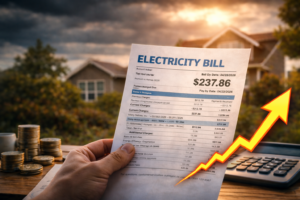
In 2026, American households are increasingly using V2G technology to reduce exposure to rising electricity costs.
During peak pricing hours, EV owners can:
- Supply electricity to their home instead of buying from the grid
- Sell excess energy back through utility programs
- Reduce demand charges in deregulated markets
This is especially impactful in states with:
- High electricity prices
- Time-of-use rate structures
- Frequent extreme weather events
For households facing electricity rates approaching or exceeding 18–35¢ per kWh in some regions, V2G provides a financial buffer.
How V2G Supports Grid Stability
Beyond individual savings, Vehicle-to-Grid technology plays a growing role in grid resilience.
As EV adoption expands, millions of connected vehicles collectively represent a massive distributed energy resource. When aggregated, V2G systems can:
- Smooth peak electricity demand
- Provide reserve capacity during grid stress
- Reduce the need for peaker power plants
- Support frequency regulation services
In effect, V2G technology turns electric vehicles into a decentralized, flexible power plant.
During winter storms or heat waves, this distributed storage can provide emergency backup capacity — reducing outage risk and easing pressure on utilities.
Electrification as a “Trojan Horse” for Flexibility
Electrification of transportation initially raised concerns about increased electricity demand. However, V2G technology reveals a more nuanced reality.
While EV adoption increases overall electricity consumption, it also provides one of the most flexible tools for managing that demand.
Instead of building expensive new peaker plants to meet short bursts of high usage, utilities can tap into distributed EV batteries during peak hours.
This dual effect — increasing demand while improving flexibility — is reshaping grid planning strategies in 2026.
Economic Incentives for EV Owners
The financial case for V2G is becoming stronger.
In many pilot programs and expanding markets, EV owners can:
- Earn credits for grid services
- Reduce electricity bills
- Participate in demand response programs
- Receive installation incentives for bidirectional chargers
While savings vary by state and rate structure, the potential for recurring revenue or meaningful bill reduction is driving broader adoption.
For some households, V2G is becoming part of a broader energy independence strategy alongside rooftop solar and home storage systems.
Infrastructure Requirements for Scaling V2G
Despite its promise, V2G technology requires supporting infrastructure to scale nationwide.
Key components include:
Bidirectional Chargers
Not all EV chargers support two-way energy flow. Expanding availability and reducing cost remain critical.
Utility Integration
Utilities must upgrade grid software and communication systems to coordinate distributed energy resources safely and efficiently.
Regulatory Clarity
Clear rules around compensation, liability, and grid participation are essential to accelerate adoption.
Federal agencies and state regulators are increasingly recognizing V2G as a grid resilience tool — but policy frameworks are still evolving.
Grid Resilience Benefits in Extreme Weather
Extreme weather events have become more frequent and severe across the US. V2G technology offers resilience benefits during:
- Winter storms
- Heat waves
- Wildfire-related power shutoffs
With proper setup, EV batteries can power essential home loads during outages. When aggregated, they can also provide temporary grid stabilization during supply disruptions.
As climate volatility increases, distributed flexibility resources like V2G become more valuable.
The Role of Automakers and Technology Companies
Major automakers are accelerating support for V2G capability. New EV models increasingly include:
- Bidirectional charging compatibility
- Smart home integration
- Grid communication features
Technology firms are also developing platforms that automate when to charge, discharge, and respond to price signals — optimizing both savings and grid performance.
This convergence of automotive and energy technology is redefining the electric vehicle ecosystem.
Challenges That Remain
While momentum is growing, several barriers remain:
Battery Degradation Concerns
Consumers worry that additional charge-discharge cycles could shorten battery life. Ongoing research suggests controlled V2G usage has limited impact, but perception remains a hurdle.
Upfront Equipment Costs
Bidirectional chargers remain more expensive than standard systems, although costs are gradually declining.
Market Fragmentation
Utility rules vary by state, creating uneven adoption rates across the country.
Despite these obstacles, the trajectory points toward continued expansion.
What This Means for US Energy Markets
Vehicle-to-Grid (V2G) technology is altering the traditional utility-customer relationship.
Instead of being passive consumers, households become active participants in electricity markets.
This shift:
- Enhances grid flexibility
- Reduces infrastructure strain
- Improves energy resilience
- Offers new revenue streams
As EV adoption grows, the collective capacity of distributed vehicle batteries could rival large-scale stationary storage projects.
The Bottom Line
Vehicle-to-Grid (V2G) technology represents one of the most important energy innovations of 2026. It transforms electric vehicles into dynamic energy assets that support both households and the broader power grid.
Electrification of transportation is not just increasing electricity demand — it is providing one of the most adaptable solutions for managing it.
As V2G adoption expands, energy independence for households and grid stability for utilities may increasingly depend on the batteries sitting in American driveways.
At US Energy Watch, we continue tracking how EV technology, grid infrastructure, and electricity markets intersect — because the future of energy is no longer centralized. It is distributed, digital, and increasingly mobile.