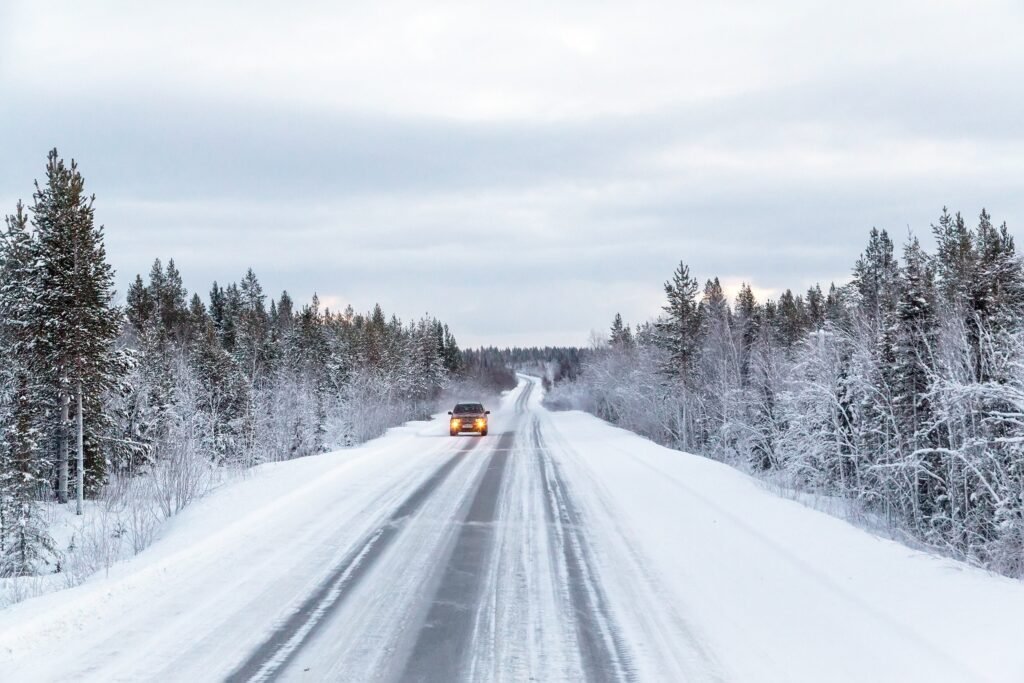
Winter storms grid resilience has become one of the most consequential tests of U.S. energy security. Heat waves often dominate headlines, but extreme cold remains a leading trigger of wide-area outages—because it exposes structural weaknesses that sit quietly in the system until temperatures drop fast and demand surges. As we approach 2026, we face an uncomfortable reality: large parts of the American grid were not designed for the climate volatility we now experience. The combination of aging infrastructure and record-level winter demand turns every polar vortex into a system survival event.
From my perspective as an analyst, the most important shift is that winter reliability is no longer a regional issue. It is a national infrastructure issue. Cold snaps don’t just stress one asset class; they pressure generation, fuel supply, transmission, distribution, and emergency response at the same time. That is why winter events often feel like “cascades”: a failure in one corner can ripple outward quickly when the system is operating near its limits.
In 2026, resilience planning has to assume that cold extremes will return—and that the grid must perform under conditions that used to be considered rare.
The double threat: demand spikes while supply breaks
Winter weather attacks the energy system on two fronts simultaneously, creating the perfect storm for operators.
1) Demand pressure at the worst possible moment
Cold weather is not just uncomfortable—it is electrically expensive. The growth of heat pumps and electric heating (alongside winter peaks from lighting, industry, and commercial load) can drive sharp jumps in consumption. When temperatures collapse quickly, demand can rise faster than local distribution systems and regional supply can respond.
In practice, operators face two difficult dynamics:
- Peak demand becomes steeper and less predictable, especially when weather forecasts shift.
- Local constraints matter more, because even if power exists somewhere in the broader market, congestion and limited transfer capability can prevent it from reaching the areas under stress.
This is how winter becomes a stress test not only for generation adequacy, but for the grid’s ability to move power to the right place at the right time.
2) Supply-side failures stack up under extreme cold
At the same moment demand spikes, cold can reduce supply—sometimes sharply.
The mechanisms vary by region, but the pattern is consistent:
- Cold can freeze components at power plants and trip units offline.
- Natural gas systems can experience pressure drops, freeze-offs, or delivery constraints.
- Wind and solar output can be reduced if assets aren’t properly winterized and conditions limit performance.
- Transmission equipment can be stressed by ice loading and wind, while distribution systems face broken lines, damaged poles, and access issues for crews.
The result is a reliability trap: demand rises precisely when supply becomes more fragile.
Lessons from the past: why 2021 still matters in 2026
For anyone working in U.S. power markets, the Texas crisis of 2021 remains a turning point. It exposed vulnerabilities that were not “one-off” failures—they were systemic design gaps that winter simply made visible.
In my analysis, three lessons remain central as we move through 2026.
Weatherization isn’t optional
The first and most obvious lesson is that weatherization must be treated as a baseline standard, not a voluntary upgrade. When equipment is not built and maintained for cold extremes, failures spread quickly. Winterization isn’t only about one technology type—it applies across gas supply, power generation, substations, sensors, control systems, and even emergency staffing protocols.
Gas-electric coordination is a reliability requirement
The second lesson is more uncomfortable: winter reliability is not just “electric.” It is gas + electric, tightly coupled.
In many regions, dispatchable power depends heavily on natural gas. But the gas system has its own constraints, and those constraints can tighten exactly when heating demand rises. If gas deliverability is reduced at the same time power plants need more fuel, electricity reliability becomes hostage to coordination failures. Better planning, communication protocols, and enforceable standards are essential—because reliability cannot rely on informal alignment under stress.
Interties and imports can be the difference between stability and collapse
The third lesson is about isolation. When a grid has limited interregional transfer capability, it has fewer options in an emergency. Interties don’t solve everything—neighboring regions may also be stressed—but they expand flexibility and reduce the chance that a single region becomes a closed system with no escape valves.
In 2026, operators increasingly treat transfer capability as resilience infrastructure, not just market efficiency.
What “winter-proofing” means in 2026
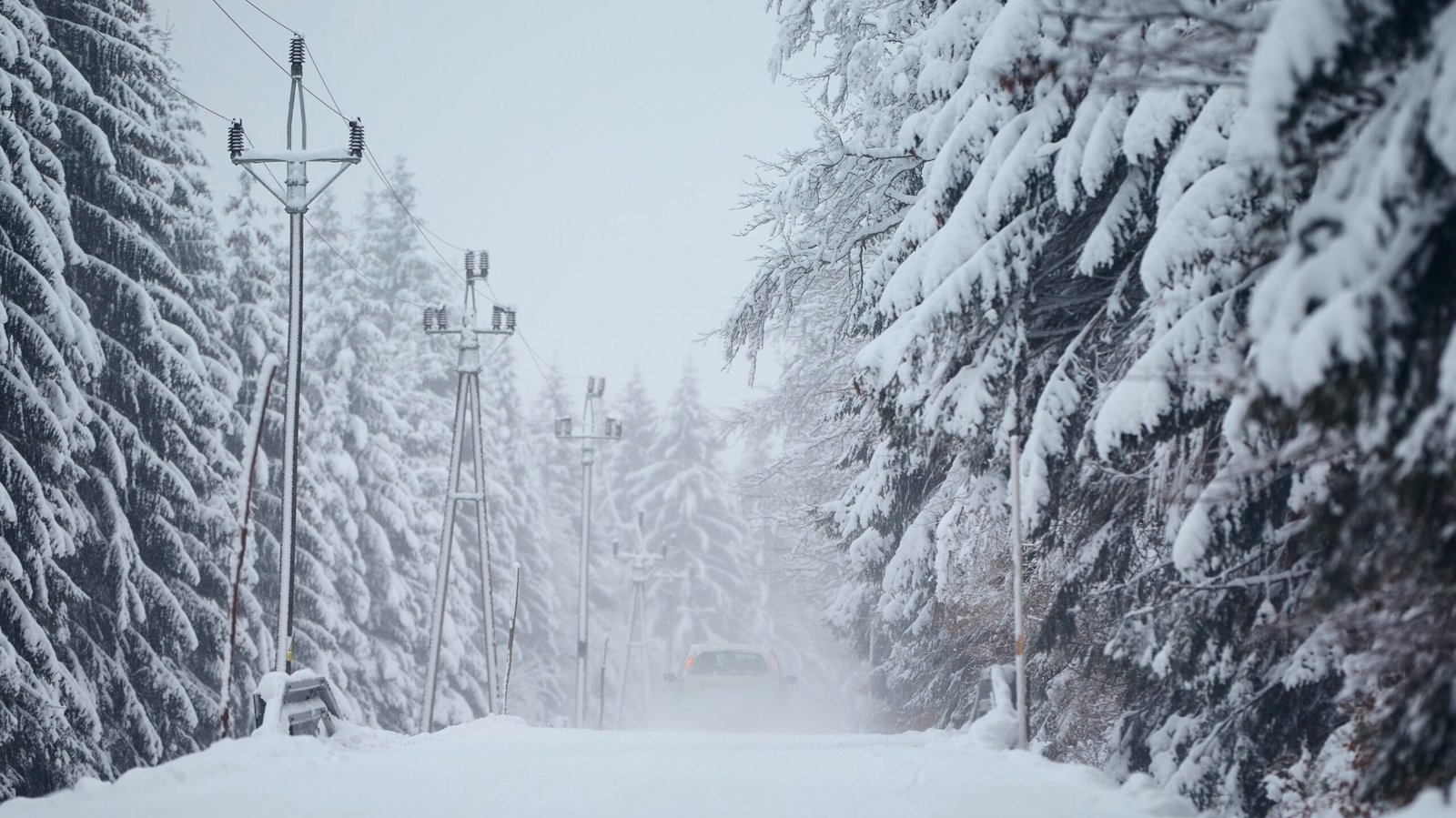
Winter resilience is not one project. It is a layered strategy. The industry’s approach in 2026 can be summarized in three practical pillars.
1) Mandatory weatherization standards across the system
The most important shift is the move toward enforceable standards. Voluntary guidance is not sufficient when failure has large social consequences.
Winter-proofing commonly includes:
- insulating and protecting pipelines and critical gas infrastructure
- adding heating elements where freeze risk is known
- winterizing wind turbines (blade protection, cold-weather packages)
- installing cold-rated sensors and controls at substations
- improving water/steam systems at thermal plants to prevent freeze-related trips
- testing and auditing readiness before winter peaks
The key point is not the list—it’s the philosophy: if winter extremes are recurring, resilience must be engineered and verified, not assumed.
2) Strengthening distribution where outages hit people directly
Transmission failures make headlines, but most people experience winter outages through distribution systems—downed lines, broken poles, ice-loaded conductors, and localized equipment failure.
That’s why many utility resilience plans in 2026 prioritize:
- replacing vulnerable poles and structures
- targeted undergrounding in high-ice or high-wind corridors
- improved sectionalizing and switching to isolate faults quickly
- hardened substations and better protection schemes
- faster restoration logistics, including staging and mutual assistance planning
This is unglamorous work, but it is the work that prevents outages from becoming days-long crises.
3) Energy storage and microgrids as operational buffers
Storage is increasingly treated as a resilience tool, not just an economic arbitrage asset. Grid-scale batteries can provide short-duration support when generation trips and demand peaks sharply. And microgrids can keep critical services running even when the main grid fails.
In winter conditions, the most valuable resilience applications include:
- hospitals and urgent care facilities
- emergency shelters and warming centers
- water treatment and pumping infrastructure
- communications networks and critical municipal services
A well-designed microgrid—often solar + battery + backup generation—can maintain essential loads through outages, reducing the human consequences of system stress.
Winter resilience is a social and economic issue, not just technical
As an analyst, I can’t ignore the household-level reality: winter outages are not “inconvenient.” They are often a direct threat to economic survival and personal safety.
Prolonged winter outages can cause:
- frozen pipes and severe property damage
- displacement and emergency shelter demand
- medical risks for people relying on powered devices
- higher insurance losses that ultimately raise the cost of living
- business closures and lost wages
This is why investments that appear expensive in the short term often look different when compared to the cost of inaction. The full cost of a winter failure is not just utility repair bills—it includes cascading losses across households, businesses, municipalities, and insurers.
In 2026, resilience spending is increasingly justified not only as infrastructure modernization, but as public safety policy.
The planning shift: from reactive to integrated protection
The era of purely reactive planning is ending. Winter resilience requires integrated protection across the entire chain:
- Fuel supply readiness (especially gas deliverability under stress)
- Generation winterization and auditing
- Grid flexibility through transfer capability and operational reserves
- Distribution hardening where people actually experience outages
- Storage and microgrids for critical services
- Clear emergency protocols that assume extreme weather will recur
The grid of the future must be designed to perform under volatility, not only under averages.
My conclusion: reliability at -20°C is the real benchmark
In 2026, winter storms are not a seasonal headline—they are a benchmark. Winter storms grid resilience is now a core requirement of national infrastructure, and reliable power at -20°C is the measure of whether the system is truly prepared for climate instability.
Utilities and regulators are making progress: standards are tightening, winterization is being treated more seriously, and resilience tools like storage and microgrids are moving from pilot projects into planning frameworks. But the gap between the speed of climate volatility and the speed of infrastructure change remains the defining challenge.
At US Energy Watch, we believe winter resilience is not optional. It is the foundation of energy security, public safety, and economic stability. The grid that can survive deep cold is the grid that can support growth—because it is engineered for reality, not memory.